
Our Test Beds
The “built environment” is incredibly diverse, including not only homes and workplaces, but also vehicles, shopping malls, entertainment complexes, hospitals, and even the International Space Station! Even within the same type of structure, for example residences, there can be significant differences in how those homes are constructed, what materials were used, whether or not HVAC systems are installed, exposure to the outdoors, differing climates, and myriad other factors that can influence the associated microbiomes.
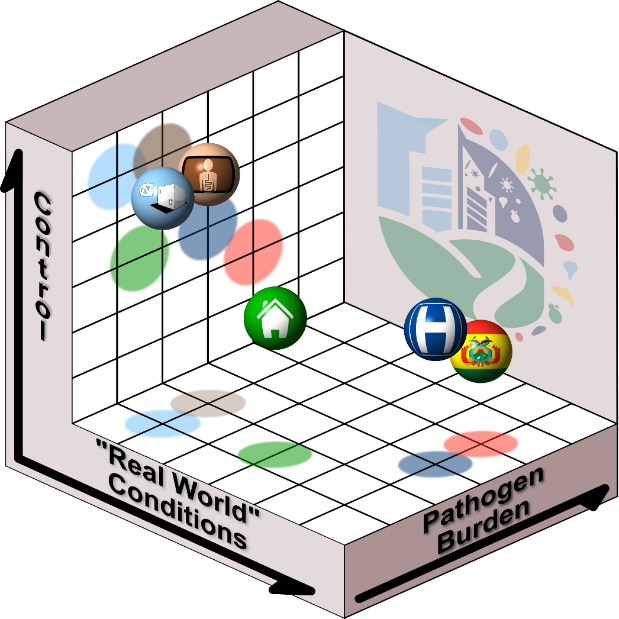
PreMiEr test beds present a variety of opportunities for our researchers to test their hypotheses, collect samples, and deploy technologies for engineering built environment microbiomes and determining interactions with human-associated microbiomes. Recognizing that no single test bed, or even handful of test beds, could possibly model the diversity of built environments, our testbeds were carefully selected to represent a range of values for researcher control, pathogen burden, and representation of real-world conditions.
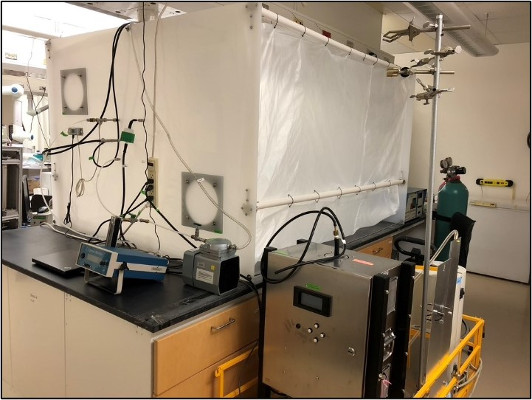
Environmental Chambers
Constructed chambers in the labs of Drs. Glenn Morrison and Barbara Turpin at UNC-Chapel Hill provide the simplest testbed for PreMiEr researchers. The conditions within these systems can be tightly controlled and instruments can directly measure a number of variables inside the chamber. This test bed is optimal for exploring the viability and proliferation of microbes on surfaces or delivered via certain methods (e.g., aerosols), but is poorly representative of a more complex “real-world” built environment.
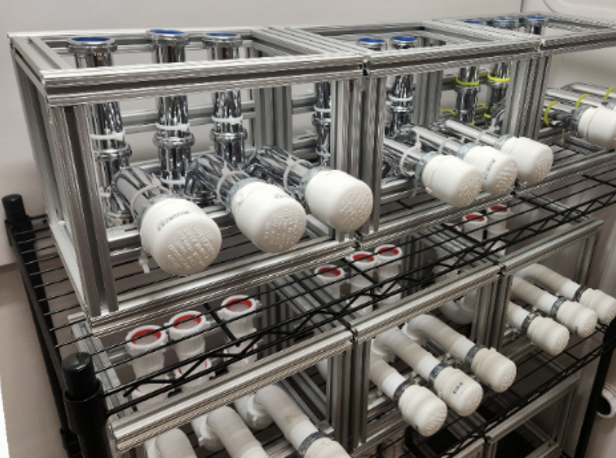
Modular P-Trap Bioreactors
PreMiEr’s modular p-trap bioreactor system, developed in the labs of Drs. Claudia Gunsch and Ophelia Venturelli at Duke University, provides a controlled testbed for studying microbial colonization and intervention strategies within plumbing infrastructure. These bioreactors simulate the conditions of building drainage systems, allowing researchers to test engineered microbial and physico-chemical interventions targeting biofilm formation and pathogen persistence in a reproducible, lab-based setting.
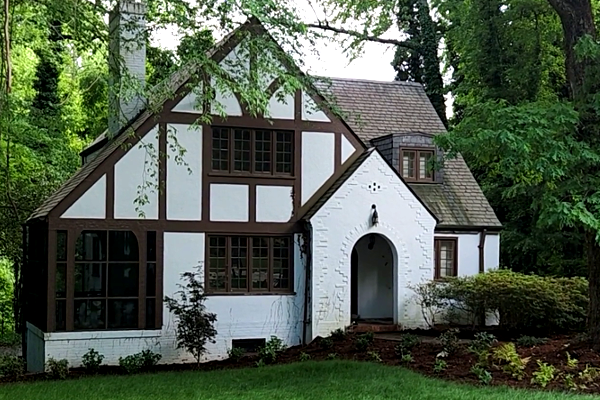
PreMiEr Home @ Duke
The PreMiEr Home @ Duke, located on Duke University’s West Campus, built in 1932, was formerly a home to Duke faculty. Used by several organizations on campus for office space, this 4,400 square foot residence of 3 stories (including a basement), 4 bedrooms, a kitchen, 4 bathrooms, and several living areas now serves as a PreMiEr test bed, led by Drs. Glenn Morrison and Barbara Turpin, for examining the microbiomes of residences of this type.

The PreMiEr Home @ Duke currently contains a number of sensors to monitor conditions within the home. Interested members of the public may access these data through this link.
Hospitals
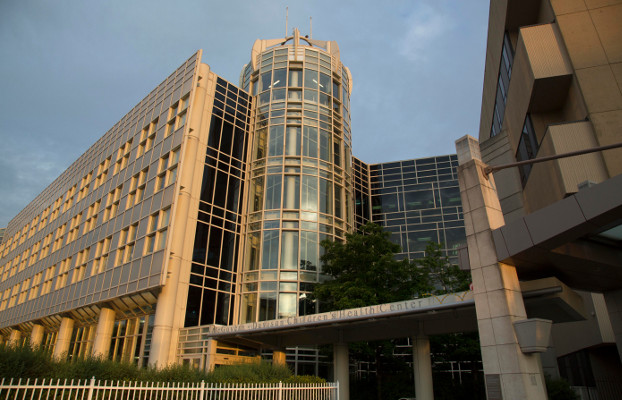
One of the PreMiEr test beds most representative of the “real world” is found within Duke University Hospitals, led by Dr. Deverick Anderson. Renowned for their excellent medical care, these buildings will also serve PreMiEr as study sites that carry both a high level of control but also a potentially localized high pathogen burden. This test bed will be especially important for analyzing the spread of antimicrobial resistance and evaluating methods of preventing transmission of pathogens within a built environment.
PreMiEr Communities
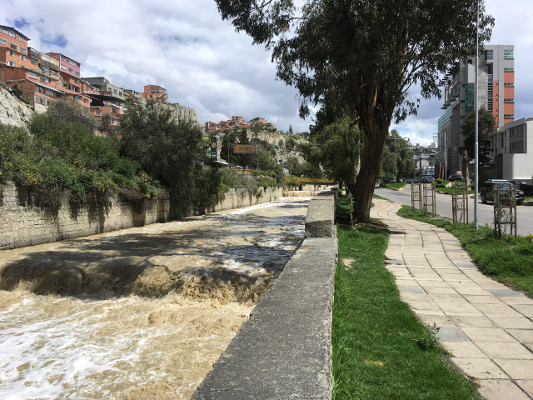
The final of PreMiEr’s test beds, led by Drs. Rachel Noble and Joe Brown, can be found internationally in the South American country of Bolivia and domestically in rural and urban communities in North Carolina. Structures and homes in Bolivia often look and operate quite differently than those in the United States, with different drivers for microbial diversity, providing opportunities to study built environment microbiomes under a wider variety of “real world” conditions. Communities in North Carolina, representing coastal homes in low-lying areas susceptible to flooding and historically redlined communities in Greensboro, NC, present other locations in this test bed where PreMiEr researchers and residential stakeholders can work collaboratively to study the built environment.